

You already know sleep matters, but do you know how deeply it protects your mental health? At Molokini Mental Health, we see the sleep and mental health connection every week. Sleep is not a wellness bonus. It is a clinical foundation.
Sleep Is Not a Luxury. It Is a Clinical Necessity.
Many people treat sleep like a reward for a finished to-do list. That mindset can backfire. Sleep is when your brain processes emotions, stores memory, and resets stress hormones. Skip it consistently, and your mental health often pays the price. This is not about willpower. It is basic brain chemistry.
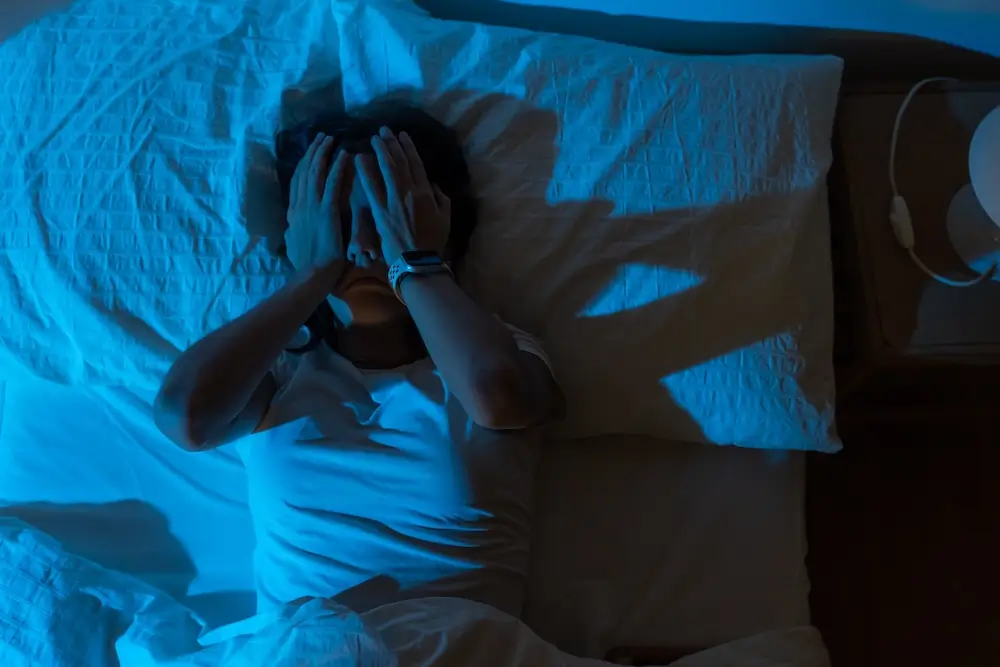
What Happens in Your Brain When You Don’t Sleep
Your brain does not simply pause when you are tired. It struggles to regulate mood, focus, and impulse control. Cortisol, your primary stress hormone, can rise when sleep is cut short. Over time, that stress response can wear down your emotional resilience. Chronic short sleep is also linked to a higher risk of heart disease, stroke, and type 2 diabetes.
The Sleep and Depression Link
The connection between sleep and depression runs deep. People with insomnia can face up to a tenfold higher risk of developing depression than people who sleep well. Among people already living with depression, roughly 75 percent report trouble falling or staying asleep. Poor sleep does not just follow depression. It can also help trigger it.
Sleep and Anxiety: A Two-Way Street
Anxiety can keep your mind racing at night. Lack of sleep can then make that anxiety harder to manage the next day. This typically becomes a loop, not a one-way problem. Breaking the cycle often requires addressing both sleep and the underlying anxiety together.
How Many Adults Are Actually Running on Empty?
More adults struggle with sleep than most people realize. National data shows insufficient sleep affects roughly 30 percent of adults across the country. That share varies by state, and can climb close to 46 percent in some areas, including Hawaii. If you feel like you are constantly behind on rest, you are far from alone.
How Much Sleep Do You Actually Need?
Most adults typically need at least seven hours a night. Needs can vary based on age, health conditions, and daily stress levels. Consistency often matters just as much as total hours. A steady wake time, even on weekends, can support your body’s internal clock.

Signs Your Sleep May Be Affecting Your Mental Health
Some signs are easy to miss until they build up. Watch for:
- Waking up most mornings still feeling tired
- Racing thoughts that delay falling asleep
- Irritability or low mood that worsens with tiredness
- Relying on caffeine or alcohol to manage energy or sleep
- Trouble concentrating at work, school, or with family
If several of these feel familiar, your sleep may be affecting more than your energy.
Building a Sleep Foundation: Where to Start
Small, consistent changes often matter more than one dramatic overhaul. A few places to start:
- Scrolling in bed keeps your mind alert. Try instead: dim lighting and a paper book for twenty minutes before sleep.
- Late afternoon coffee can linger in your system for hours. Try instead: shifting your last caffeine intake to before noon.
- An inconsistent bedtime confuses your body’s clock. Try instead: anchoring a steady wake time, even on weekends.
- A bright, noisy bedroom can delay deep sleep. Try instead: a cool, dark room with minimal screen light.
When Sleep Struggles Point to Something Deeper
Sometimes sleep problems are the visible sign of something underneath. Anxiety, depression, PTSD, and ADHD can all disrupt sleep in different ways. You do not need to sort out the cause on your own before reaching out.
If you or someone you know is in crisis, call or text 988 to reach the Suicide and Crisis Lifeline, available 24/7.

How Molokini Mental Health Can Help
We provide telehealth therapy and medication management across Hawaii, Washington, Maine, and Nevada. No referral is required to book an appointment. Whether your sleep struggles stand alone or connect to a wider mental health concern, we are here to help you find steady ground. Book a consultation today. We’re here when you’re ready.