
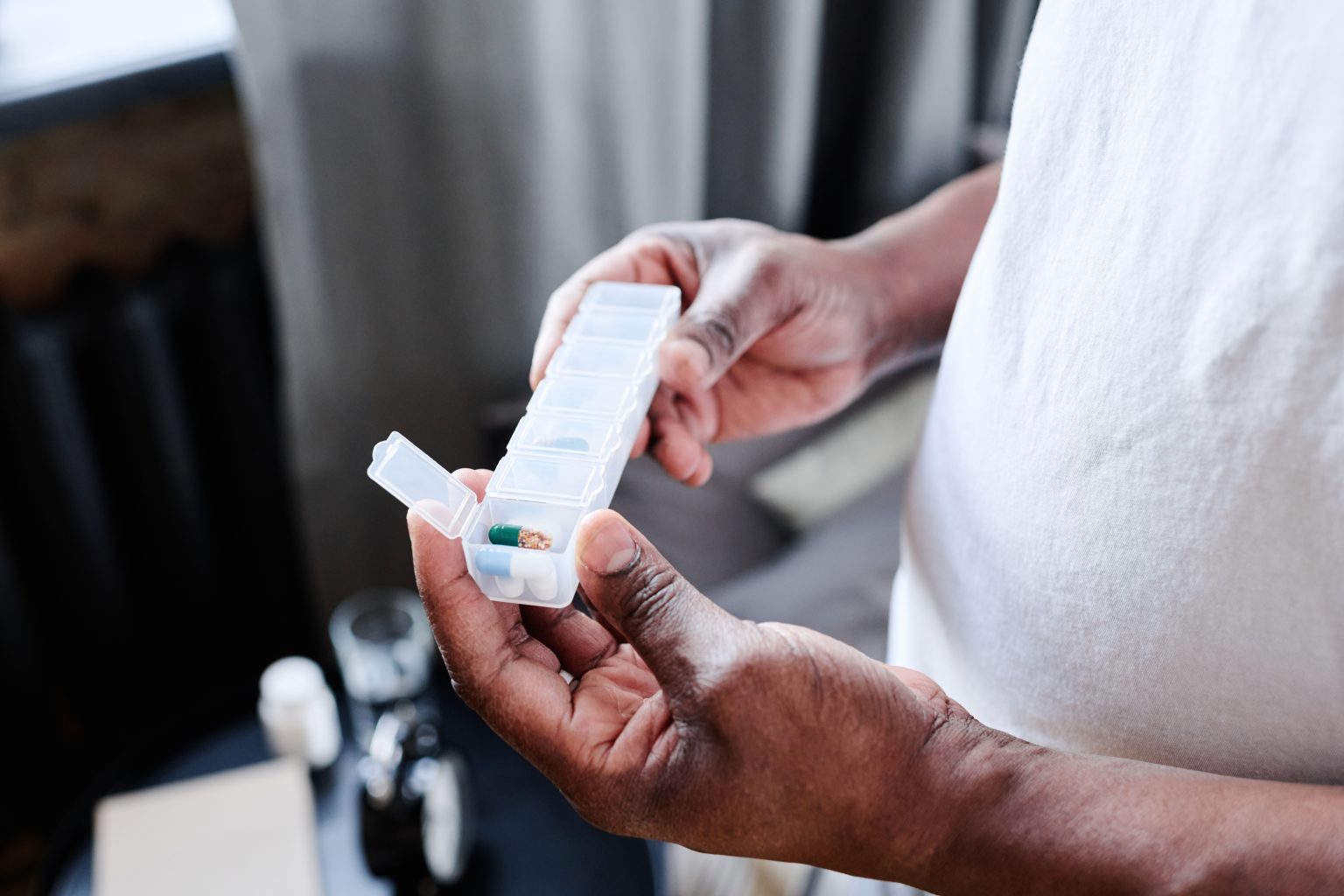
You have questions about mental health medications. That is completely normal.
Maybe your provider mentioned them and you are not sure what to think. Maybe you have been managing your symptoms on your own for years and wonder if medication could help. Maybe you are a parent asking whether it is safe for your child.
Whatever brought you here, you deserve honest answers. Not a lecture. Not a brochure full of fine print.
At Molokini Mental Health, we have spent 20 years sitting with patients who have these exact questions. The hesitation, the myths, the very real worries about dependency or side effects or feeling numbed out.
Let’s answer the five questions we gets asked most. Clearly and without clinical distance.

Why Medications Feel Like Such a Big Decision
Mental health care carries weight that a blood pressure prescription does not.
There is still stigma. There are myths. There is a fear of losing yourself, of becoming dependent, of being told you will be on something forever.
Those fears are worth taking seriously, but so is the cost of leaving a treatable condition untreated.
According to the National Alliance on Mental Illness (NAMI), for many people, medication is the tool that keeps them connected to the life they want to live. It is not right for everyone, but for those who need it, it can be significant.
Here are the five questions that tend to come up first.

Question 1: Are Mental Health Medications Actually Safe?
Short answer: Yes, for most people, when prescribed and monitored by a qualified provider.
The most commonly prescribed group are antidepressants, particularly a class called SSRIs (Selective Serotonin Reuptake Inhibitors). These include medications like sertraline (Zoloft), fluoxetine (Prozac), and escitalopram (Lexapro).
SSRIs have been in use since the 1980s. Like all medications, they can cause side effects. The most common ones include:
- Nausea or stomach upset, especially in the first week or two
- Headaches
- Changes in sleep or appetite
- Dizziness
Most of these settle within the first few weeks. Your provider can adjust the dose or try a different medication if they do not.
What does safe actually mean here?
It means the benefits, for most people with moderate to severe depression or anxiety, tend to outweigh the risks of not treating the condition at all. NAMI notes that current research supports long-term use of antidepressants when properly monitored.
At Molokini Mental Health, medication management is never a one-and-done prescription. It is an ongoing conversation between you and your provider. Telehealth appointments make that follow-up easy and accessible, whether you are in Honolulu, Maine, or anywhere in between.

Question 2: Will I Become Addicted or Dependent on Them?
Short answer: No, not in the clinical sense of addiction.
This is one of the most common fears, and it is worth unpacking carefully.
Addiction typically involves craving, loss of control, and compulsive use despite harm. Opioids and alcohol can cause this. Antidepressants do not.
When people stop antidepressants abruptly, they can experience what are called discontinuation symptoms. These can include dizziness, nausea, headaches, irritability, and occasionally “brain zaps,” a strange electrical sensation. These symptoms are usually mild and short-lived.
What does this mean for you?
It means you can stop taking an antidepressant. You just need to do it gradually, in conversation with your provider. A slow taper reduces the chance of discontinuation symptoms significantly.
CHOC Children’s Hospital notes this same principle with pediatric patients: doses are typically started low and increased slowly, which also reduces the risk of side effects and ensures patients are only taking what they actually need.
Question 3: Will Medication Change My Personality or Numb My Emotions?
Short answer: It should not, though this is worth monitoring closely.
This concern comes up often, and it is a reasonable one.
SSRIs support the brain’s natural chemical systems that regulate mood. They reduce the intensity of symptoms that are interfering with your ability to function. They are not designed to alter who you are.
What about emotional flatness?
Sometimes people do report feeling emotionally muted or apathetic. This is a recognized side effect sometimes called SSRI-related apathy. It is not inevitable, and it is not something to push through silently.
If you notice this, tell your provider. It is typically resolved by adjusting the dose or switching medications.
Question 4: Is It Safe for My Child to Take These Medications?
Short answer: Generally yes, with proper clinical oversight.
This question carries a particular weight for parents. You want to help your child. You also don’t want to cause harm.
Here is what the research shows.
SSRIs are considered safe and effective for children and adolescents when prescribed and monitored by a qualified clinician. Several are specifically FDA-approved for use in young people:
- Fluoxetine and escitalopram for depression
- Sertraline and fluvoxamine for obsessive-compulsive disorder (OCD)
- Duloxetine for generalized anxiety disorder in children aged 7 and older
What about the “black box warning” you may have heard about?
In 2004, the FDA added a warning noting a small increase in suicidal thoughts in some young people during the first one to two weeks of treatment. This is why close monitoring early on is essential, not a reason to avoid treatment altogether.
When it comes to growth and development, current research has found no strong evidence that these medications negatively impact height, physical development, or cognitive functioning in children.
At Molokini Mental Health, we see children from age 7. Many parents in Hawaii, Washington, Maine, and Nevada face significant barriers to accessing pediatric psychiatric care in person. Telehealth removes that barrier. Your child can receive a proper assessment and careful, ongoing monitoring without a long waitlist or a long drive.

Question 5: Do I Have to Take Them Forever?
Short answer: Not necessarily. The timeline is individual, and it is always your decision in partnership with your provider.
This is often the question underneath all the other questions. People worry about committing to something permanent.
Here is the honest picture.
NAMI recommends that most people continue an antidepressant for roughly 6 to 12 months after their symptoms improve. This helps reduce the risk of a return episode. After that, many people successfully taper off, particularly if their depression or anxiety was situational or a first episode.
For others, particularly those with a family history of severe depression, multiple past episodes, or a history of hospitalization, longer-term treatment may be clinically appropriate. This is because the risk of relapse can be higher after stopping medication entirely.
The key word in all of this is individual.
Your provider does not make this decision for you. They make it with you, based on your history, your preferences, and how you are actually doing.
If you ever feel like you are being kept on a medication longer than you believe is necessary, that is a conversation worth having directly with your provider. And if you feel like that conversation is not happening, it may be time to find a provider who listens.
What This Looks Like at Molokini Mental Health
We didn’t build this practice to be transactional.
Every conversation about medication at Molokini Mental Health starts with listening. What are you experiencing? What are you worried about? What does feeling better look like to you?
Whether you are an adult in Honolulu who has been quietly managing anxiety for years, a parent in Maine trying to get support for your child, or a veteran in Washington navigating PTSD, you do not need a referral to book a consultation. You can reach out directly.
You Do Not Have to Figure This Out Alone
Questions about medication are not a sign that you are hesitant or difficult. They are a sign that you are taking your care seriously.
We are here when you are ready. Book a consultation with Molokini Mental Health and take the first step toward feeling like yourself again.
If you or someone you know is in crisis, call or text 988 to reach the Suicide and Crisis Lifeline, available 24/7.